
Last Updated on June 9, 2026 by admin
A poker face is one of the most essential aspects of poker, and mastering it can elevate your game to the next level. The ability to improve your poker face and maintain a neutral expression is critical when you’re playing in competitive settings, whether online or in person. A strong poker face can help you bluff effectively, hide your emotions, and gain the upper hand on your opponents.
In this blog, we’ll discuss how to improve your poker face, explore poker bluffing techniques, and provide essential poker skills and tips that will enhance your ability to play and win. Whether you’re a beginner or a seasoned player, these poker tips for beginners will help you refine your game and become more confident at the table.
What is a Poker Face?
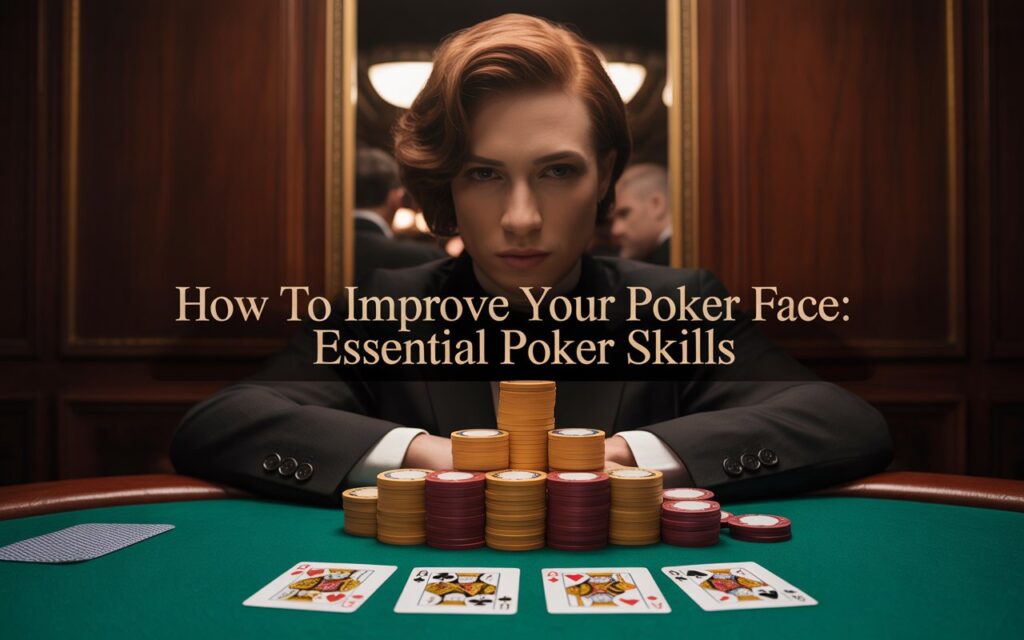
A poker face refers to a facial expression that hides your true emotions, intentions, or the strength of your hand. In poker, your face can betray your feelings, and experienced players are skilled at reading opponents’ expressions. Poker bluffing is the art of pretending to have a stronger hand than you do, and your poker face plays a key role in pulling off a successful bluff.
The key to a great poker face is to maintain a neutral, unreadable expression, even when you’re holding a great hand or a weak one. If you can maintain this expression consistently, you’ll be much more effective at bluffing and preventing your opponents from gaining insight into your game.
Why is a Good Poker Face Important?
A good poker face serves several key purposes in poker:
- Hides Your Emotions: If you’re holding a strong hand, you might instinctively smile or act excited, and if you have a weak hand, you might frown or show signs of frustration. These emotional reactions can give your opponents valuable information, so maintaining a poker face helps to keep them guessing.
- Poker Bluffing: Bluffing is a critical component of poker, and your poker face plays a major role in selling the bluff. If your opponents can read your facial expressions, your bluff becomes much easier to spot.
- Prevents Tells: Every player has natural tells, or behaviors that unconsciously reveal their hand’s strength. A poker face helps hide these tells, preventing your opponents from gaining insight into your cards.
Also Read This: Mastering Your Mindset: Psychology of Winning in Poker and Casino Games
How to Improve Your Poker Face
Now that we understand why a poker face is so crucial, let’s dive into techniques and strategies for improving your expression at the poker table.
1. Practice Neutral Expressions
The first step to improving your poker face is to practice keeping a neutral expression. This means avoiding visible signs of excitement, nervousness, or frustration. In poker, the less you reveal about your hand, the better.
Here are a few tips for maintaining a neutral expression:
- Relax Your Face: Keep your facial muscles relaxed. Tension in your jaw or forehead can give away your emotions. Practice relaxing your face in front of a mirror.
- Avoid Smiling or Frowning: Smiling when you have a great hand or frowning when you don’t will immediately alert your opponents.
- Control Your Eyes: Your eyes can reveal a lot about your emotions. Try to avoid excessive eye contact or darting your eyes, as these can indicate nervousness or excitement.
2. Control Your Breathing and Body Language
Your poker face isn’t just about your facial expressions; it also includes your body language. If your body is tense, jittery, or stiff, it can signal that you’re anxious or holding a weak hand.
- Maintain Good Posture: Sit upright and stay composed. Slouching can give the impression that you’re losing or don’t care about the game, while a rigid posture may suggest nervousness.
- Relax Your Hands: Fidgeting with chips or cards can reveal anxiety. Keep your hands still, whether you’re holding your cards or waiting for your turn to act.
- Control Your Breathing: Shallow or fast breathing can suggest stress or excitement. Focus on taking deep, slow breaths to stay calm.
Also Read This: Evolution of Poker Strategy: From Passive to Aggressive Play
3. Practice Your Poker Face in Front of a Mirror
To really improve your poker face, practice is key. Spend some time in front of a mirror, mimicking different scenarios where you might feel nervous or excited. Try to maintain a neutral expression while practicing these emotions.
- Exaggerate Emotions First: Start by exaggerating the emotions (e.g., smiling broadly when you have a strong hand) so you can recognize the difference between a natural expression and an exaggerated one.
- Neutralize the Expression: Once you’ve exaggerated the emotions, try to neutralize them gradually. Practice this exercise until you can comfortably maintain a neutral expression in various situations.
4. Use Mindfulness and Focus on the Game
A great poker face isn’t just about physical control – it’s also about mental focus. Players often reveal their hands through subtle emotional cues when they become distracted or lose focus. By staying present and mindful of the game, you can reduce the chances of giving away any valuable tells.
- Stay Focused: Concentrate on the action at the table. Focus on the game, your opponents’ betting patterns, and the cards being dealt rather than letting your emotions dictate your expression.
- Mindfulness Techniques: Use mindfulness techniques such as deep breathing or mental visualization to calm your nerves and keep your emotions in check.
Also Read This: Calculating Pot Odds in Poker: A Step-by-Step Tutorial
5. Poker Bluffing Techniques to Complement Your Poker Face
Bluffing is an essential part of poker, and poker face techniques go hand-in-hand with successful poker bluffing. Here are a few bluffing techniques that will complement your strong poker face:
- Bet Consistently: If you’re bluffing, bet in a way that matches your usual betting patterns. Sudden large bets or erratic raises might give your bluff away.
- Don’t Overdo It: The best bluffs are subtle. Don’t go too big too soon. Use a slow, steady increase in your bet to draw out more action and keep your opponents guessing.
- Body Language for Bluffing: While your poker face remains neutral, your body language can still play a role in bluffing. Stay calm and avoid shifting your weight or showing signs of tension when you bluff.
Poker Tips for Beginners
If you’re new to poker, the key to improving your game is learning how to read the table and manage your emotions. Here are some poker tips for beginners:
- Start Slow: Don’t rush into complex strategies. Start with basic hands and gradually work your way up as you become more confident with your poker face and poker skills.
- Observe Others: Watch experienced players to learn how they manage their poker faces and handle different situations at the table.
- Practice Makes Perfect: The more you play, the better you’ll get at controlling your facial expressions, reactions, and emotions.
What Duragaming Offers to Master Your Poker Skills?
Learning to maintain a perfect poker face is just one step in your journey to poker mastery. If you’re serious about taking your game to the next level, you need a world-class platform to practice your poker bluffing and strategy.
Duragaming provides the ideal environment for honing your essential poker skills with services that include:
- Real-Cash Poker Rooms: Play authentic games designed for serious players who want to apply advanced strategy, from cash games to tournaments.
- Diverse Poker Formats: Practice your skills across a range of variations, including popular games like Seven Card Stud Poker, and more.
- Seamless Betting Experience: Use your Betting ID for quick access to your account, secure transactions, and a smooth user experience.
- Responsible Gaming: Utilize our dedicated tools and resources to help you Manage Your Bankroll and maintain control, ensuring your focus stays on strategy, not stress.
Ready to test your new skills against real competition? Start your winning journey at https://duragaming.com/ today!
Conclusion
Mastering the art of the poker face is one of the most important poker skills you can develop. Whether you’re bluffing or simply trying to maintain a consistent and calm demeanor, a strong poker face can give you a competitive edge over your opponents. By practicing facial control, body language, and mindfulness, you can keep your emotions in check and improve your poker performance.
Don’t forget, poker bluffing is just as much about your facial expression and body language as it is about your betting strategy. So next time you sit at the table, keep your poker face intact and put these poker tips for beginners to use!
FAQs on How to Improve Your Poker Face
1. What is a poker face in poker?
A poker face is an expression that doesn’t reveal any emotions or intentions, allowing players to hide the strength of their hand and make it difficult for opponents to read them.
2. How can I improve my poker face?
To improve your poker face, practice maintaining a neutral expression, control your body language, and stay mindful of your emotions during the game. Relaxing your face and avoiding unnecessary facial movements can help.
3. Can body language affect your poker game?
Yes, body language can give away tells. Relaxing your body, avoiding fidgeting, and maintaining a calm demeanor can help you disguise any signals that might reveal the strength of your hand.
4. What are some poker bluffing tips?
To bluff successfully, bet consistently, avoid sudden large bets, and keep your betting patterns similar to when you have a strong hand. Combine these strategies with a neutral poker face for maximum effect.
5. Why is a good poker face important?
A good poker face helps you keep your emotions and hand strength hidden from your opponents, allowing you to bluff more effectively and maintain control over the game.
